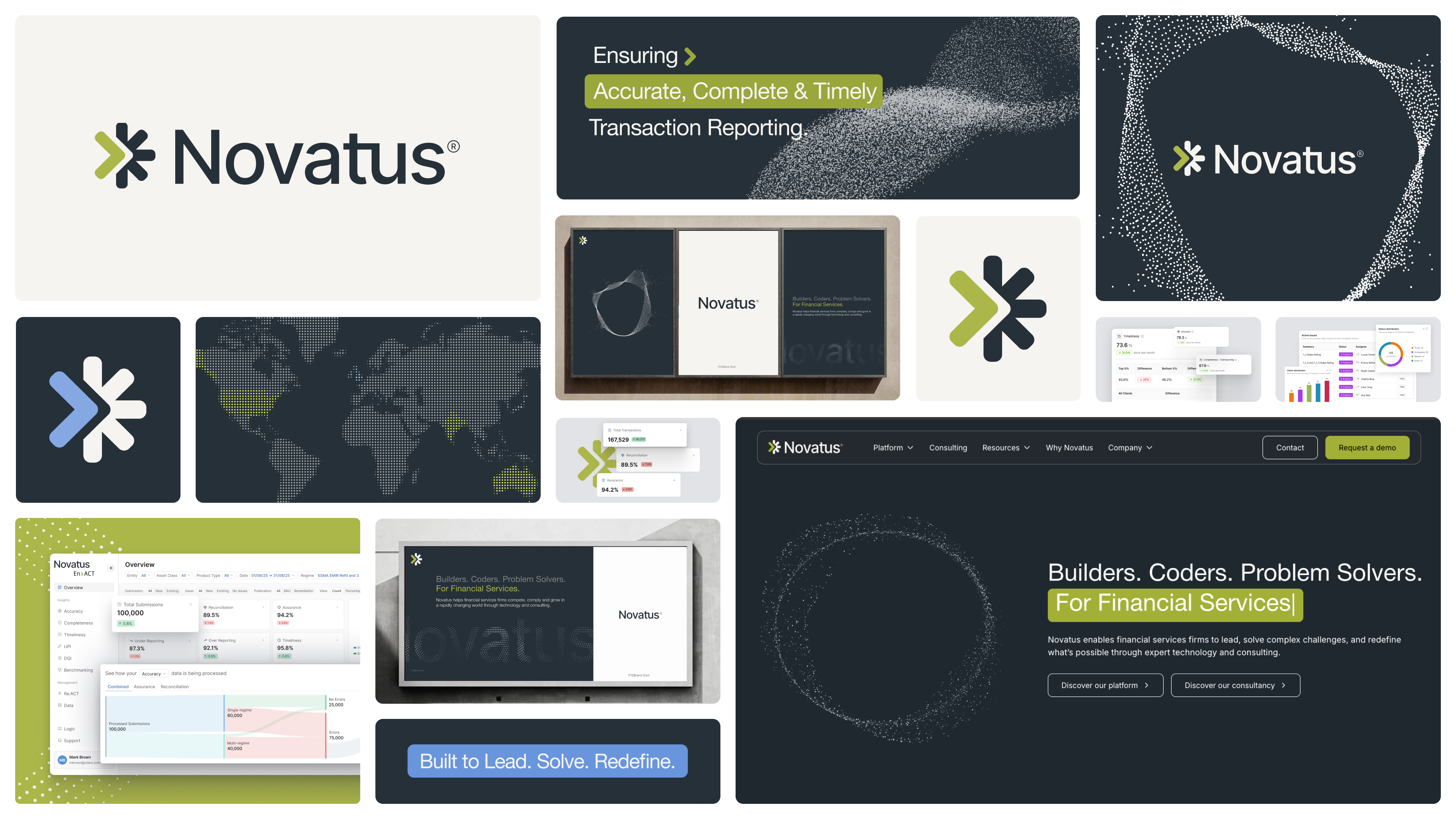
Ensuring the accuracy of transaction reporting requires a robust, end-to-end control framework that oversees the entire reporting lifecycle, from inception to submission, helping firms prepare for upcoming and evolving regulatory requirements. The implementation of this comprehensive framework will enable firms to meet their data accuracy obligations and provide evidence of their operational control.
Why is an End-to-End Control Framework Important for Firms?
Implementing a comprehensive, end-to-end control framework is the most effective defence against the risk of regulatory fines or compliance penalties from authorities like the Financial Conduct Authority (FCA) in the UK and the European Securities and Markets Authority (ESMA) in the EU. Regulators are increasingly focused on data accuracy and the integrity of the entire reporting process, as well as the timeliness of submissions, which is a common cause of persistent reporting failures. The FCA’s Market Watch 81 highlights that these failures are often caused by fundamental weaknesses in data governance and change management, or a lack of senior management oversight. A well-designed control framework demonstrates to regulators that the firm is well-governed, transparent and in control of its operations. This level of data integrity also benefits investors and clients as it provides high-quality, reliable data that supports overall market transparency.
What are the Key Actions to Ensure an Effective Framework
An effective framework should be a priority for firms to address the root cause of reporting failures and ensure a resilient process. Building an effective framework requires a structured approach, and firms must do the following:
- Establish clear ownership: Firms should assign accountability for reporting accuracy to a specific Senior Manager as required under the Senior Managers and Certification Regime (SM&CR). This individual is responsible for the oversight and integrity of the entire reporting process.
- Implement critical checks: Critical checks and validation points should be implemented at each stage of the data lifecycle from inception to final submission. This includes comprehensive reconciliations to identify discrepancies and investigate them before they reach the regulator.
- Define data and feedback requirements: Firms should be able to provide detailed data lineage documentation and mapping to show the flow of information from its source to the final report. Being able to demonstrate how data has been sourced and utilised is important for identifying and resolving issues with data accuracy.
- Integrate regulatory standards: Specific regulatory requirements for regimes such as the Markets in Financial Instruments Regulation (MiFIR) and the European Market Infrastructure Regulation (EMIR) should be embedded into the framework. Considering specific regulatory regimes while designing the framework ensures that it is built to meet the distinct requirements of each regulator.
- Automate key processes: Automating key control processes, such as data validation and reconciliation, can reduce manual errors and increase overall efficiency. This automation should be supported at all stages by effective human oversight to monitor performance and make sure automated systems are functioning correctly.
Building an effective end-to-end control framework for transaction reporting is a foundational investment in a firm’s operational resilience. It provides evidence of a robust governance environment, while building trust with the regulators and meeting existing and evolving reporting requirements. Investing in a comprehensive framework as a strategic priority prepares the business for future challenges and creates a more scalable and resilient firm. Looking to strengthen your controls and avoid costly reporting failures?
Contact Novatus Global today and one of our experts will walk you through how our tailored solutions can safeguard your reporting process.